The Wages of Virtue
"The wages of sin is death." Romans 6:23. The Bible understood something that modern political economy refuses to acknowledge: everything has a cost, and the cost lands somewhere. The only question is on whom.
Federal funding is not free money. It is a mechanism for displacing the cost of your virtue onto people who did not vote for it, do not benefit from it, and have no idea they are paying for it. This is not a side effect of the system. For the people who benefit from it, it is the entire point.
How It Works
A city votes for a $2 billion homeless program. The cost is distributed across 330 million Americans. The local voter's personal share is invisible on their tax bill. Their virtue, however, is public. The signs go up. The speeches get made. The awards are given. The cost goes somewhere else entirely.
This is why wealthy people in expensive cities vote Democrat at rates that confuse everyone who looks only at economic self-interest. It is not confused at all. They have correctly identified that federal funding subsidizes their conscience. They get to be good people. They pay almost nothing for it. The bill goes to a plumber in Ohio who voted against the program and will never see its benefits.
The system is not broken. It is working exactly as designed by the people it benefits.
SALT: The Secondary Mechanism
The State and Local Tax deduction was the refinement. Blue states run expensive programs, charge high taxes to fund them, then deduct those taxes from federal taxable income, effectively forcing the rest of the country to subsidize the cost of those programs indirectly. You pay for New York's spending through your federal tax bill whether you live in New York or not. The deduction was capped in 2017. The screaming that followed was instructive. The people screaming were the people who had been getting the subsidy. They called it a tax increase. It was the removal of a mechanism that had been making their virtue someone else's financial burden.
The Migration Proof
The proof that all of this is understood, at some level, by the people doing it, is what happens when you try to make them pay their own costs directly.
When Kathy Hochul pushed congestion pricing in New York, the people who had spent decades voting for expansive government programs discovered a sudden passionate interest in the cost of those programs. When the property tax bills came due. When the state income taxes climbed. Wealthy New Yorkers began leaving for Florida. They did not stop believing in the programs. They stopped believing in paying for them personally. That gap between the belief and the willingness to pay is the entire story.
When they arrive in Florida, they vote for the same programs they fled New York to escape paying for, and they lobby for federal funding to cover the cost. The cycle continues. The plumber in Ohio keeps paying.
The Fix Nobody Will Propose
The solution is simple and will never be implemented by anyone who currently holds power. If you vote yes on a ballot proposition that incurs costs, you carry a tax obligation for those costs for twenty years. If you leave the state, the obligation follows you. The proposition said it was zero cost? If costs emerge later, they get attributed to every yes vote proportionally and added to their bill. You voted for it. You own it.
This is not punishment. It is accountability. It is the basic principle that the people who make decisions should bear the consequences of those decisions. The reason this does not exist is that the people who would have to implement it are the same people who have built careers on the gap between the vote and the bill.
The Debt Ceiling and Jerome Powell
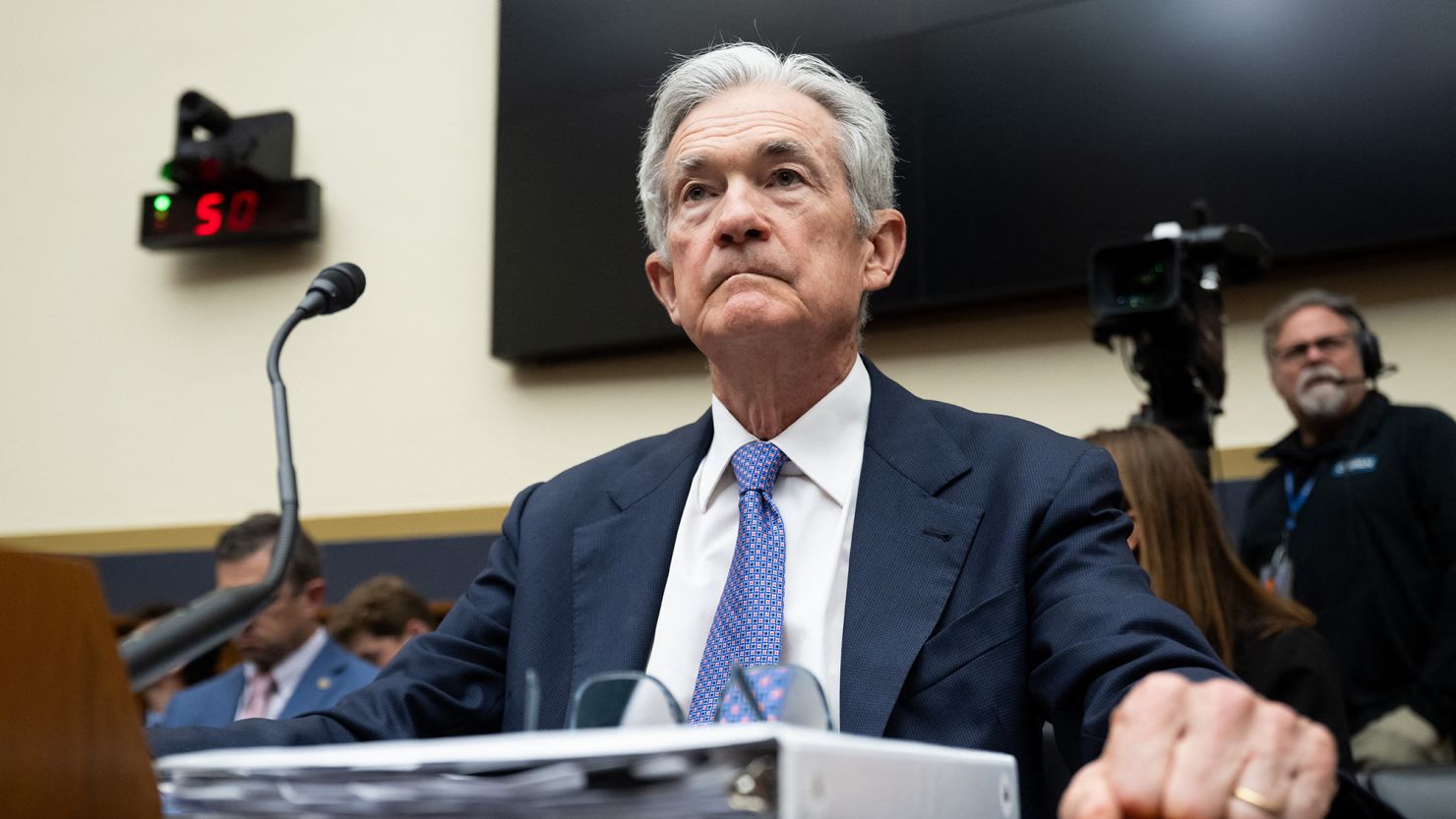
Jerome Powell is pictured above because he represents the federal endpoint of this mechanism. The federal government has spent decades issuing debt to cover the cost of programs that constituencies voted for and declined to pay for directly. The debt is now so large that the interest payments are a meaningful portion of the federal budget. Powell holds rates at levels that service the political class's unwillingness to ever make voters pay their own costs. The inflation that followed the COVID spending programs was not an accident. It was the bill, delivered in the only way that could be distributed invisibly across everyone: by making the dollar worth less.
Inflation is cost displacement at the monetary level. You voted for the spending. You did not pay the tax. The cost arrived anyway, in your grocery bill, your rent, the purchasing power of your savings. The people who set the policy did not lose a home. They received a salary, a pension, and speaking fees.
The Extreme Case
The economic argument above operates at the level of money. Taxes. Debt. Inflation. These are recoverable costs. There is a version of this mechanism that operates at a different level entirely, in countries where the cost displacement moved past money and onto people who had no vote, no recourse, and no way to leave. We will not spell it out. But anyone paying attention knows what the wages of other people's virtue looked like in practice. It was not the people holding the signs who paid.
Why No One Covers This
Jordan Peterson does not cover this. The conservative media does not cover this. The libertarian intellectuals gesture at it and move on. The reason is that everyone above a certain income level lives above the cost line. The mechanism protects them too. The professor at the elite university, the journalist at the national publication, the podcast host with the seven-figure audience: they all benefit from federal subsidies to their industries, their housing markets, their children's universities. Naming the mechanism clearly would require naming themselves.
The wages of virtue is someone else's bill. It has always been someone else's bill. The only honest question is whether we are willing to stop pretending otherwise.
← Back to Home